Axie Infinity: a game of highs and lows
- February 08, 2022 04:31
FEU Advocate
April 03, 2026 19:53
April 3
A camera isn’t complicated. It’s mechanics. Light. Timing.
It’s a system you learn until your hands move faster than thought, until your fingers find the dials without looking. Until every setting feels automatic.
Step one: Set the ISO. Think of it as how sensitive you want the camera to be. Lower it when the world is bright. Raise it when things are dim, when the room holds more shadow than sun.
Step two: Adjust the shutter speed. A fast shutter freezes a moment—like catching laughter in midair before it fades. A slow one lets motion blur, turning movement into a soft streak across the frame.
Step three: Twist the lens into focus. Lean closer when you want more detail. Pull back when you want the whole story. The depth of field decides what stays sharp and what quietly melts into the background.
Step four: Open the aperture. The wider it is, the more light slips in—like opening a window and letting the afternoon spill across the room.
Step five: Check the exposure, adjust the white balance, and when everything finally looks right, press the shutter.
That’s it. Anyone can learn it.
I know it by heart. I can do it with my eyes closed.
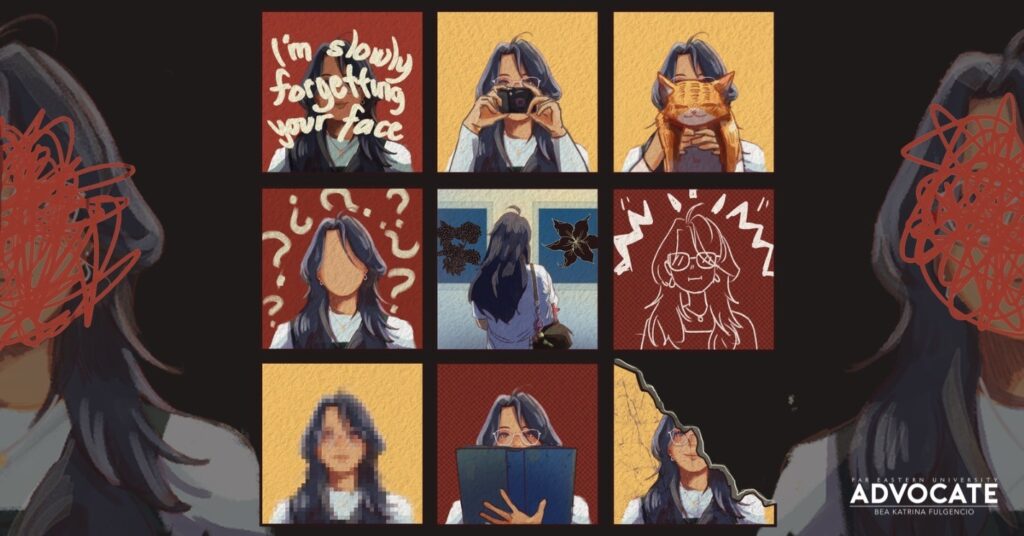
And yet, when you were here, I never pressed the shutter.
I could have frozen the afternoons we spent together—the sunlight resting in your hair like it had nowhere else to be, the way your hands settled easily on the table, the rhythm of conversations that wandered without needing a destination.
I could have focused on the tilt of your head when you laughed, the way your smile took its time finding you
I knew exactly where the light was. I knew exactly what would make it perfect; I just never took the photo.
At first, remembering was enough. Like a camera that didn’t need film.
I could still see you so vividly, the way you filled the room and softened everything else into silence. Those afternoons felt perfectly exposed, balanced between light and shadow.
But memories don’t stay in focus forever.
The details begin to drift. Your smile softens at the edges. Your voice turns faint, like a sound carried too far away.
I try to refocus, but everything stays blurred, like the image won’t come back into clarity.
First, the glow slips away—the way you seemed to carry light with you without trying. Then the quiet habits follow: the restless rhythm of your hands, the sound of you laughing like it couldn’t be contained. Bit by bit, the edges dissolve until there’s nothing left to hold onto.
And suddenly, I realized something I should have known all along.
Memory has terrible ISO in the dark. Its shutter lags. Its focus slips, hunting for something abandoned.
All the things I thought I could hold onto begin to blur, as if the moment moved just before I could steady the lens.
My knowledge of cameras means nothing now, because no amount of technical skill can preserve what I never bothered to capture in the first place.
The truth is painfully simple—I never pressed the shutter.
I thought the ordinary moments would stay. I thought that the light would always find its way back like how sunlight always returns to the same corner of the room.
But now when I try to remember you, it feels like lifting a camera to my eye only to realize there’s no film inside—just the quiet click of an empty mechanism.
And I keep thinking, again and again, with a kind of quiet disbelief that settles in too late:
I should have taken more photos.
- Franzine Aaliyah B. Hicana
(Illustration by Bea Katrina Fulgencio/FEU Advocate)